
GridMats Solar Walkway · Energy-generating walkways · pilot stage
Walkways that carry people and produce electricity
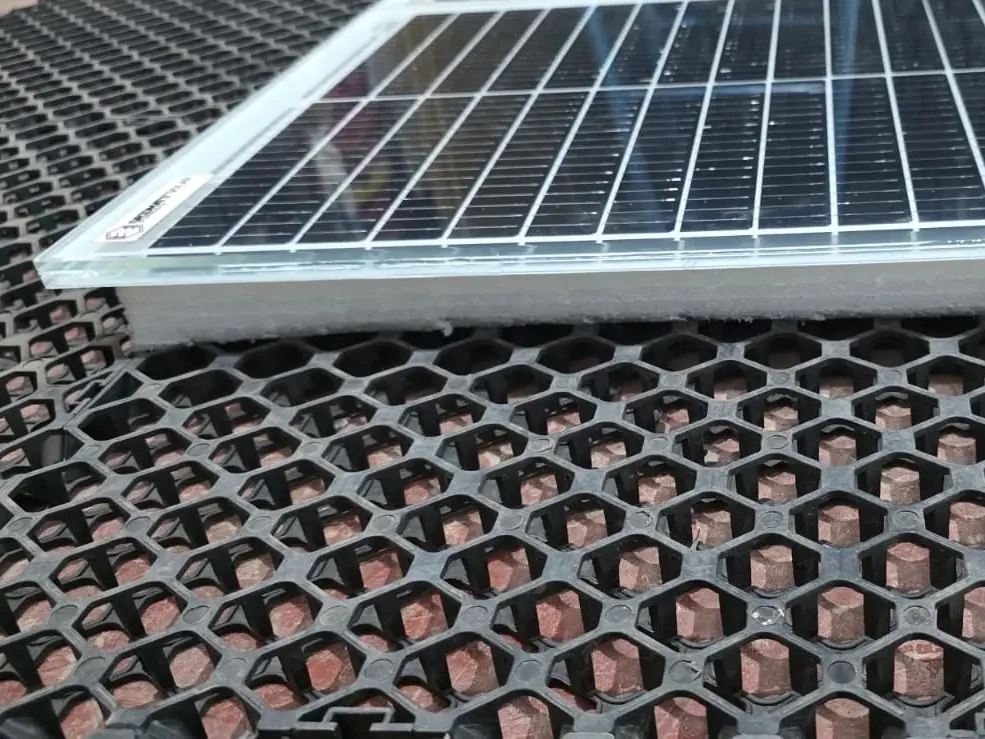
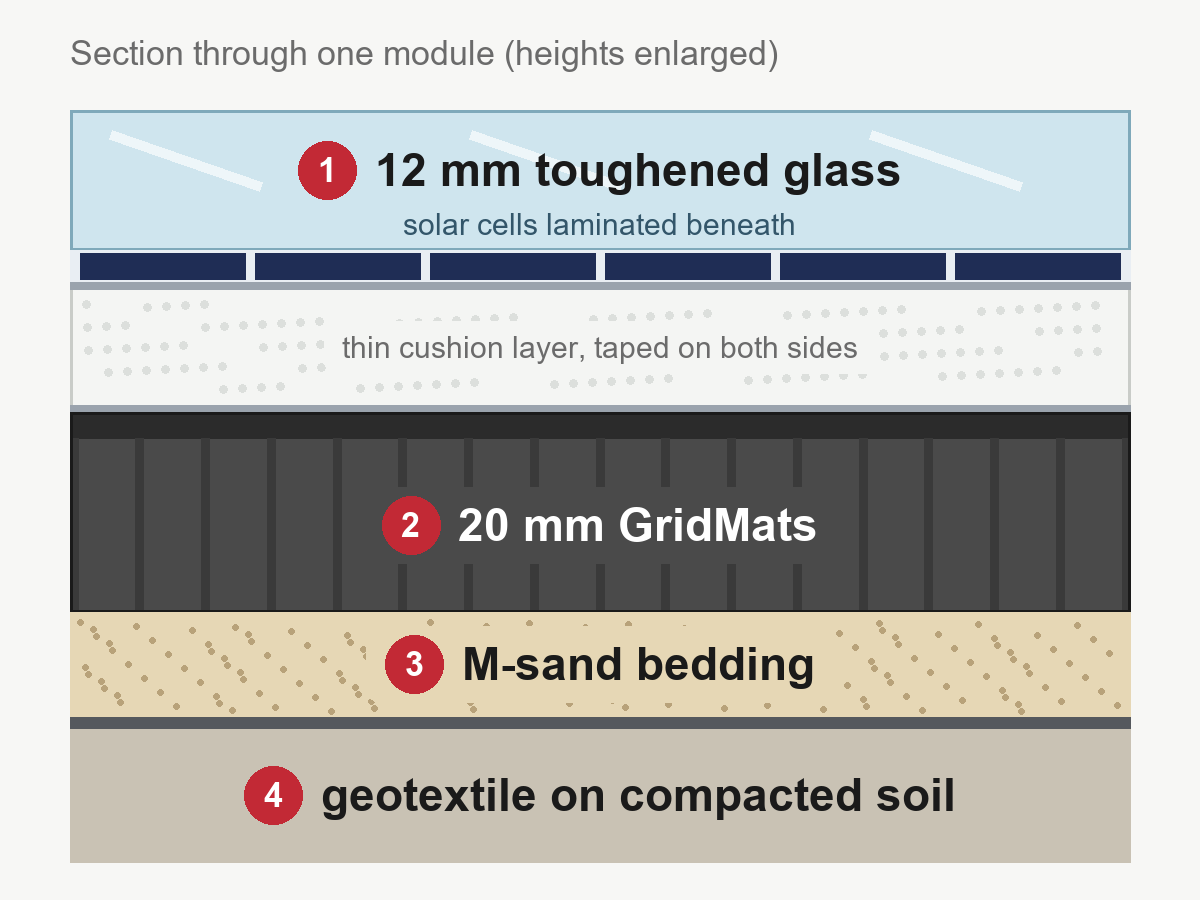
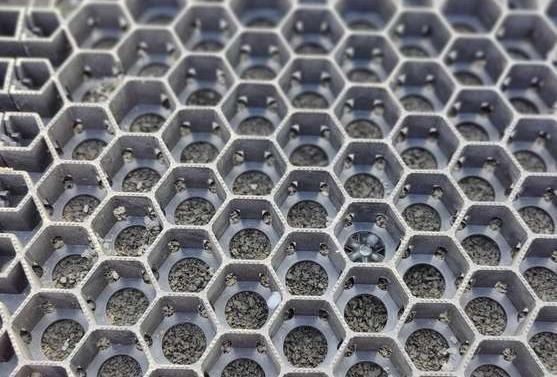
GridMats Solar Walkway turns walkways and paved areas that are already in use into clean-energy infrastructure. Solar cells are laminated under 12 mm toughened glass, so the glass is the walking surface. Each module sits on 20 mm GridMats in recycled polypropylene, with a thin cushion layer taped between, laid on M-sand bedding over a geotextile (geo-fabric) separation layer. No timber, frames or fasteners; one module lifts out without disturbing the rest. It is pre-commercial: pilot validation is under way and no commercial deployment is claimed yet.
Ask on WhatsApp (opens in a new tab) Contact sales Flier (PDF) (opens in a new tab)

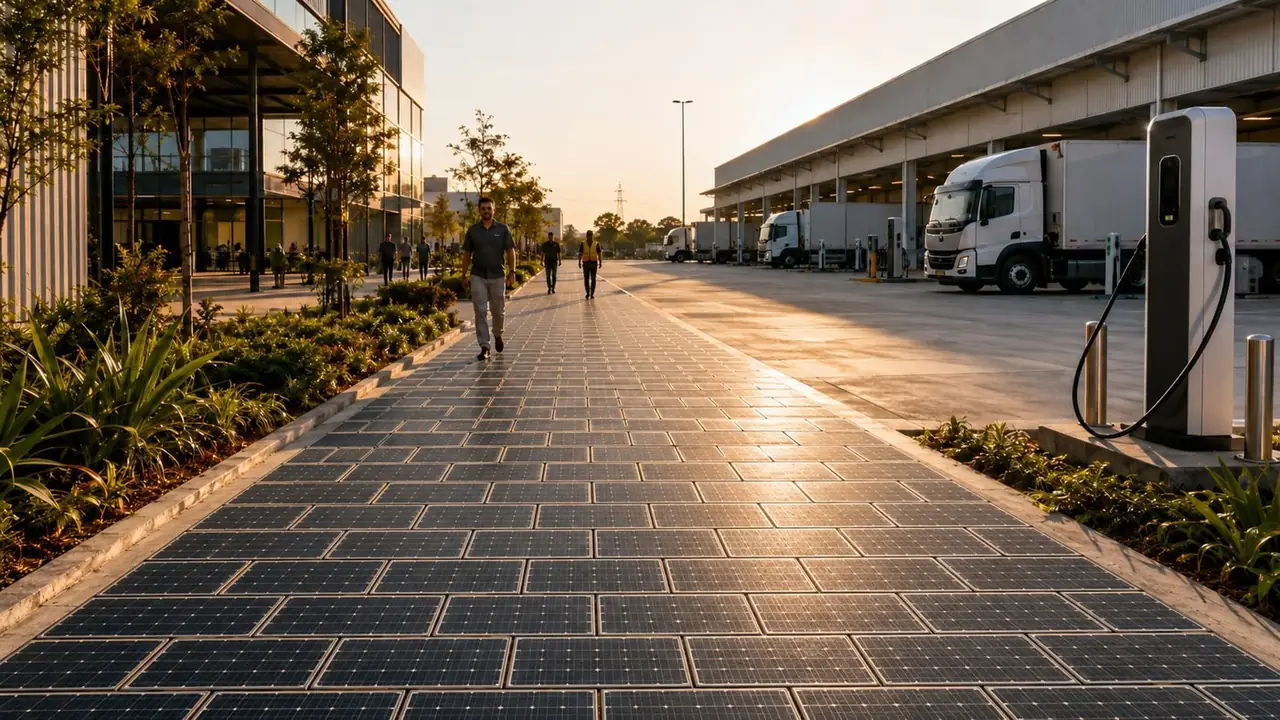
Concept visualization: a GridMats Solar Walkway through a campus
Where it is used
Industrial campuses. Factories, warehouses and logistics parks.
Corporate and institutional campuses. Offices, universities and hospitals.
Mobility hubs. Airports, metro, rail and bus facilities.
EV charging. Walkways beside charging hubs and parking.
Smart cities. Public walkways, parks and civic spaces.
Data centres and utilities. Distributed generation that is also a visible ESG asset.
Specifications
| Layers | 12 mm toughened glass with the solar cells laminated beneath · thin cushion layer, taped on both sides · 20 mm GridMats in recycled polypropylene · M-sand bedding, screeded level · geotextile (geo-fabric) separation layer · compacted soil |
|---|---|
| Module | 40 W N-type TOPCon, 530 × 400 mm |
| Cell technology | TOPCon (Tunnel Oxide Passivated Contact): high-efficiency N-type cells. An ultra-thin tunnel oxide layer and passivated contacts cut electron recombination and energy loss |
| Output | About 180 W per m² of walkway: 4.5 modules per m² |
| Flash test | Two modules measured 41.78 W and 41.50 W at standard test conditions, 9 October 2026 |
| Layout and wiring | Laid in running bond; each row is one string, plugged lead to lead into an ordinary grid-tie inverter |
| Cleaning | At least three times a week, with a soft brush or mop and plain water |
| Platform | Built on the GridMats platform: Indian Patent 398992 |
| Status | Pilot stage, pre-commercial; pilot validation under way, no commercial deployment claimed yet |
Priced per pilot and per site after the site assessment. Figures from GridMats product data; confirm them for your project.
How a pilot works
- Site assessment: shading, footfall and loads, drainage and the electrical connection.
- Engineering: the module layout in running bond, the row strings and cabling, the inverter connection and safety details.
- Pilot installation: a monitored field pilot that measures output (W/m², kWh a day), module temperature, drainage, walkability and uptime.
- Scale-up: across the campus or portfolio, with lighting, sensors and batteries.
Pictures
Watch


More from GridMats
 GridMats IoT
 Cool Green Wall
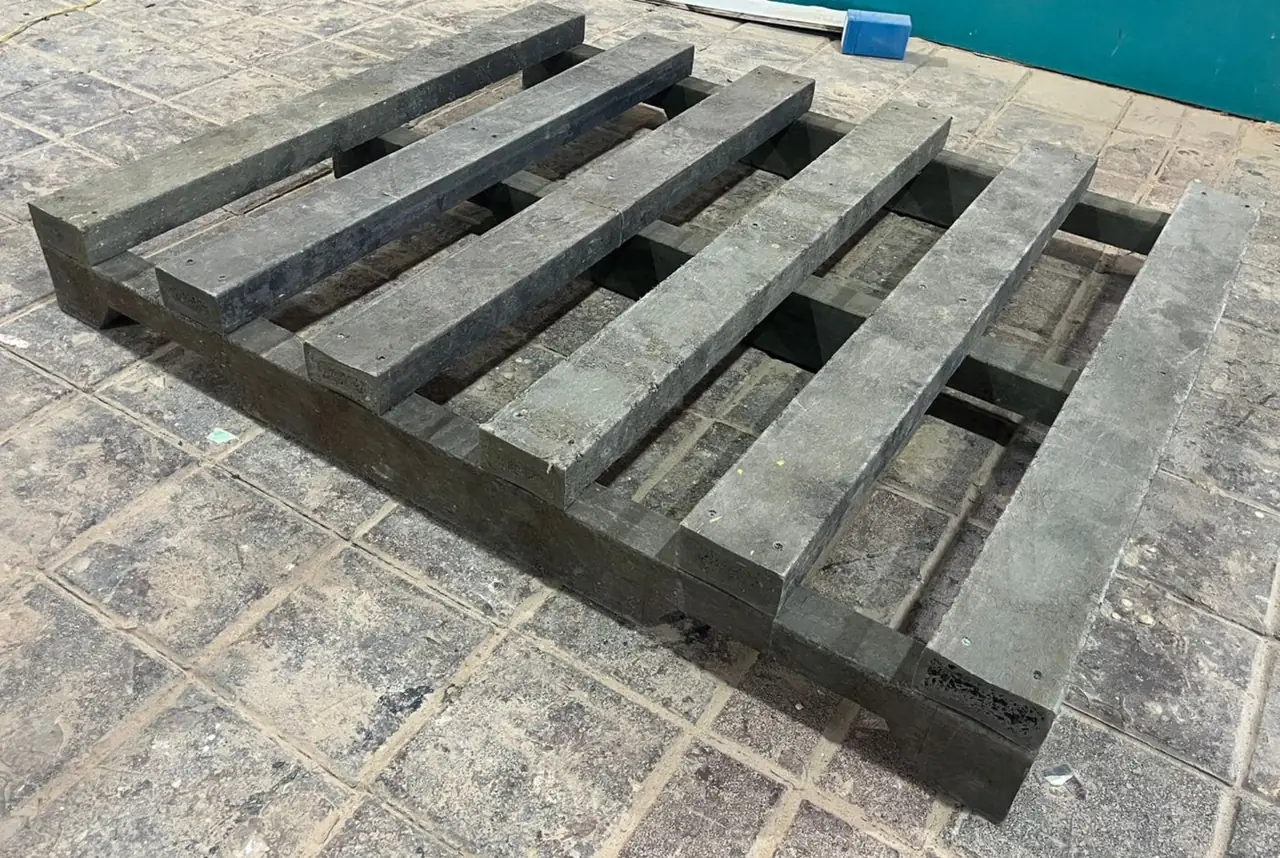 Pallets and MLP boards
What would your road or yard cost on GridMats?
An indicative estimate in about a minute, free. Our engineers follow with the design and the bill of quantities against your conventional section; the method statement your contractor will follow comes with your order.
Get my free estimate Talk to an engineer on WhatsApp (opens in a new tab)